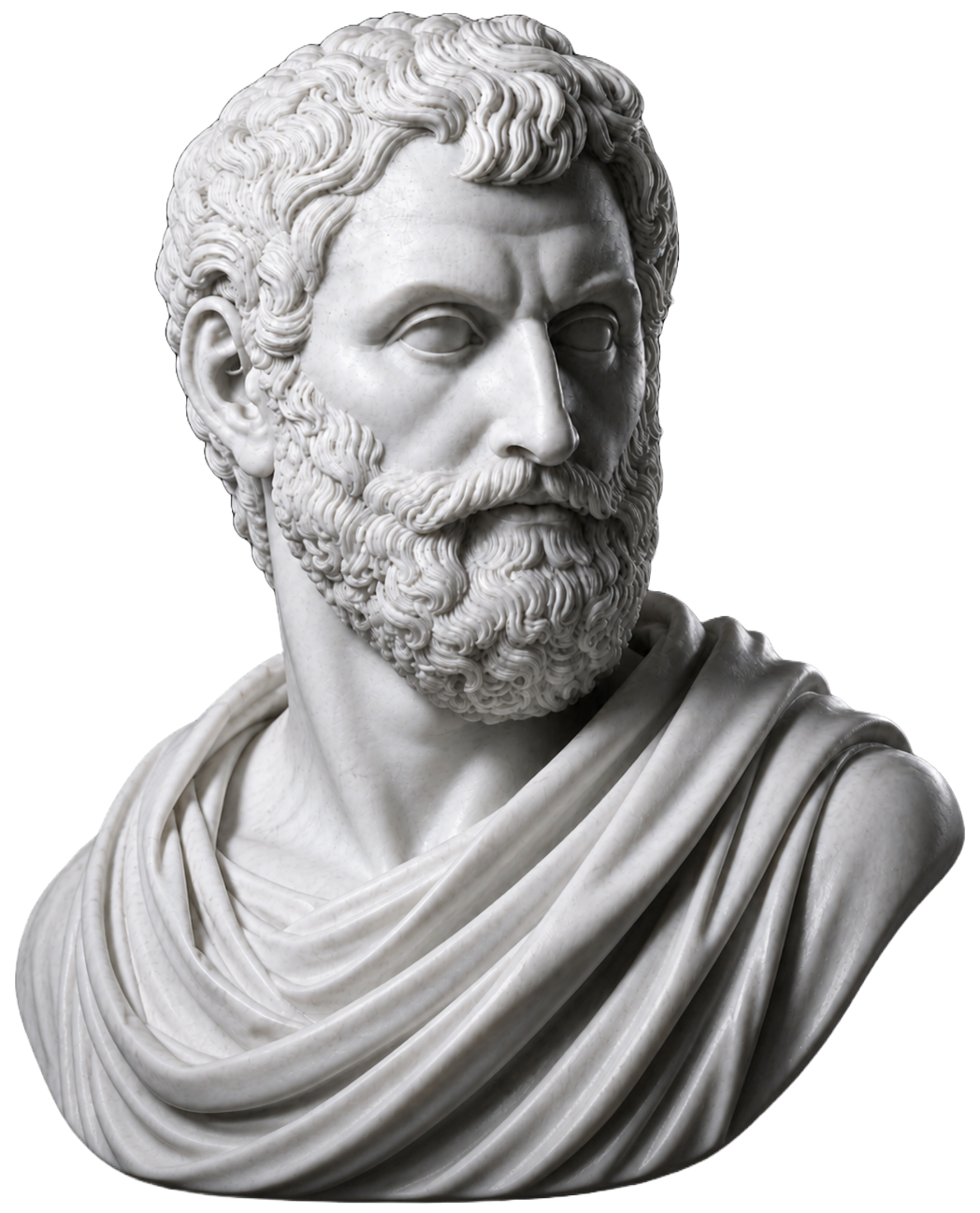
 Pre-Socratic
Thales of Miletus
c. 624 – c. 546 BC
The first Greek philosopher. Argued that reality has principles we can reason about — the world is more than the gods.
The lineage
A directory of thinkers and traditions whose ideas frame how Res sees the world. Each will, in time, link to a fuller page — sources, primary texts, and what they offer.
Philosophers
12 entries
Pre-Socraticc. 624 – c. 546 BC
The first Greek philosopher. Argued that reality has principles we can reason about — the world is more than the gods.
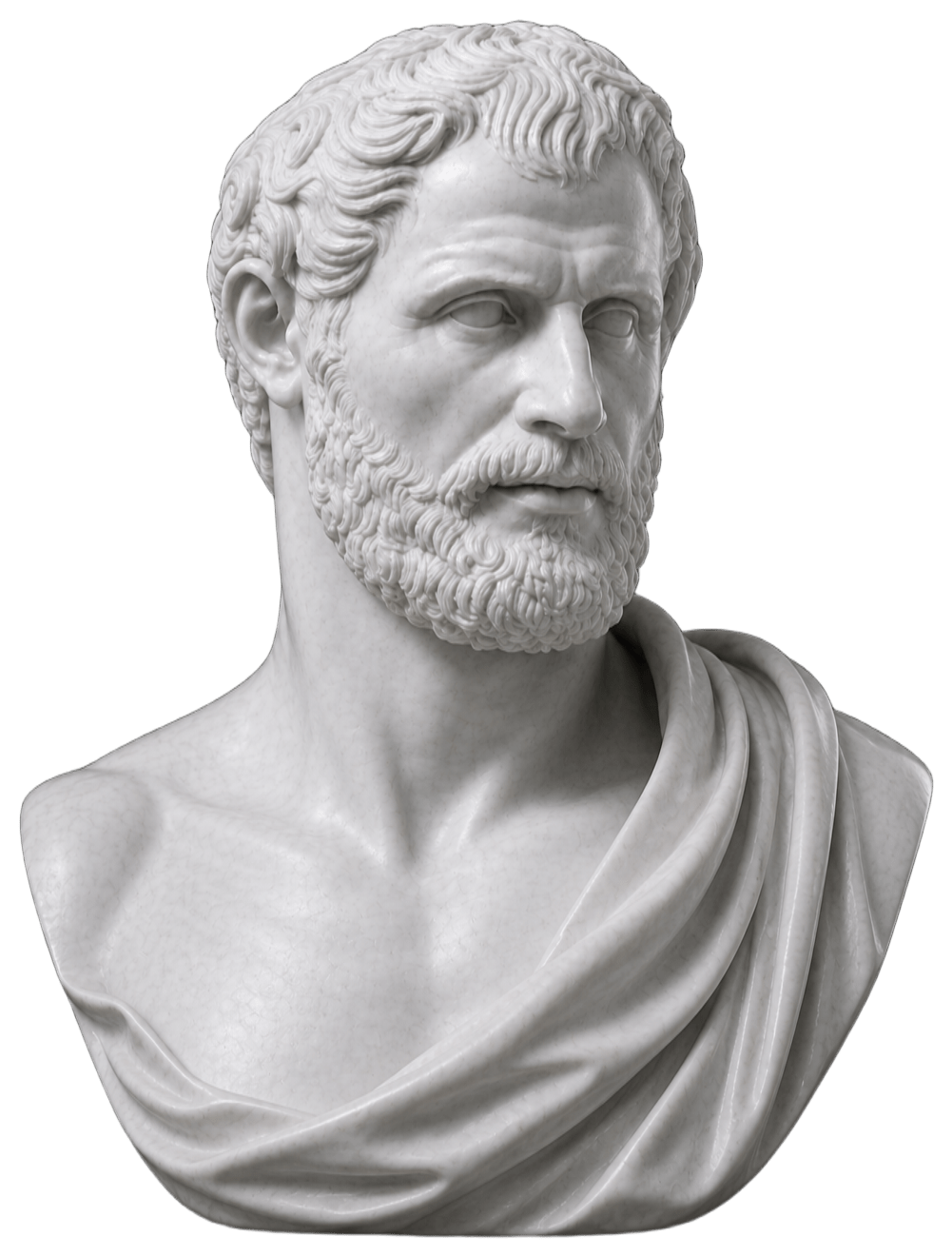 Pre-Socratic
c. 535 – c. 475 BC
Pre-Socratic philosopher of flux. All things change; the world is fire; opposites are one.
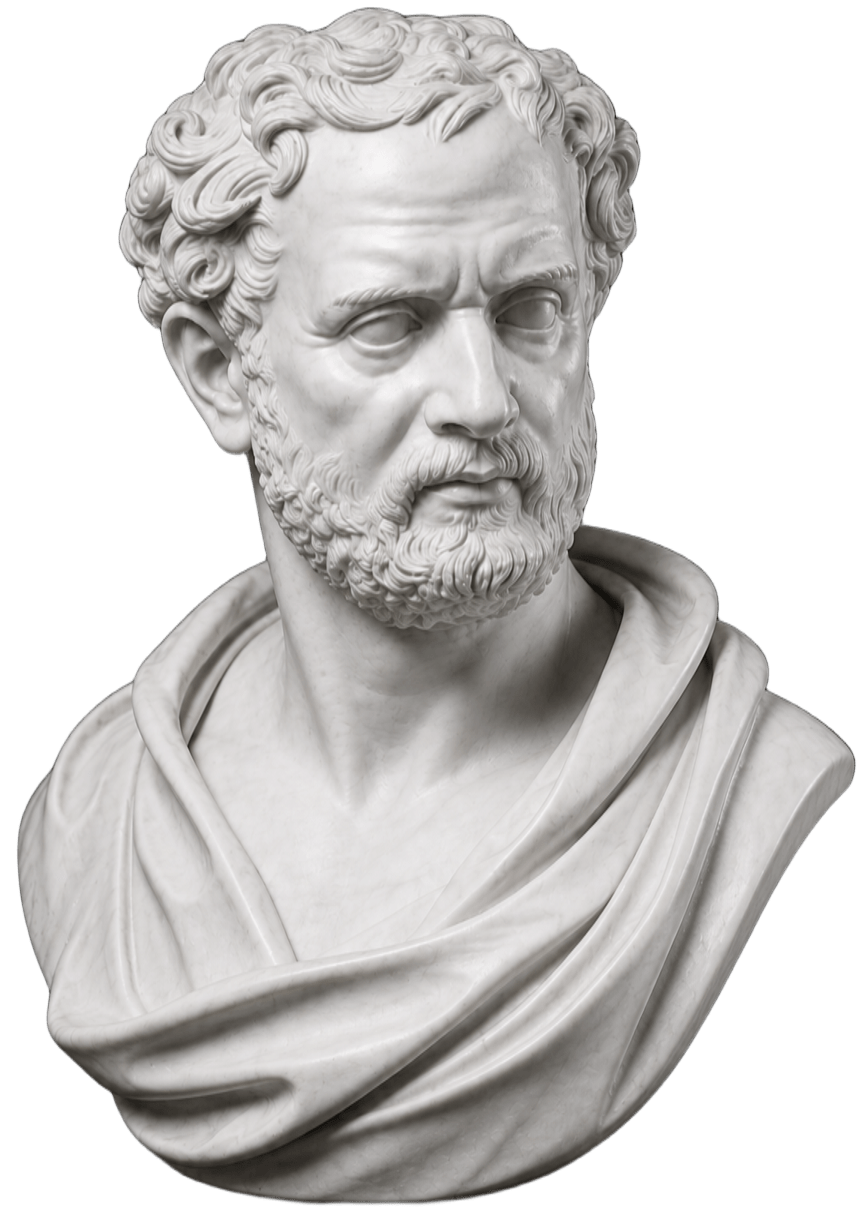 Atomism
c. 460 – c. 370 BC
Atomist who held that all reality is atoms and the void, moving by necessity.
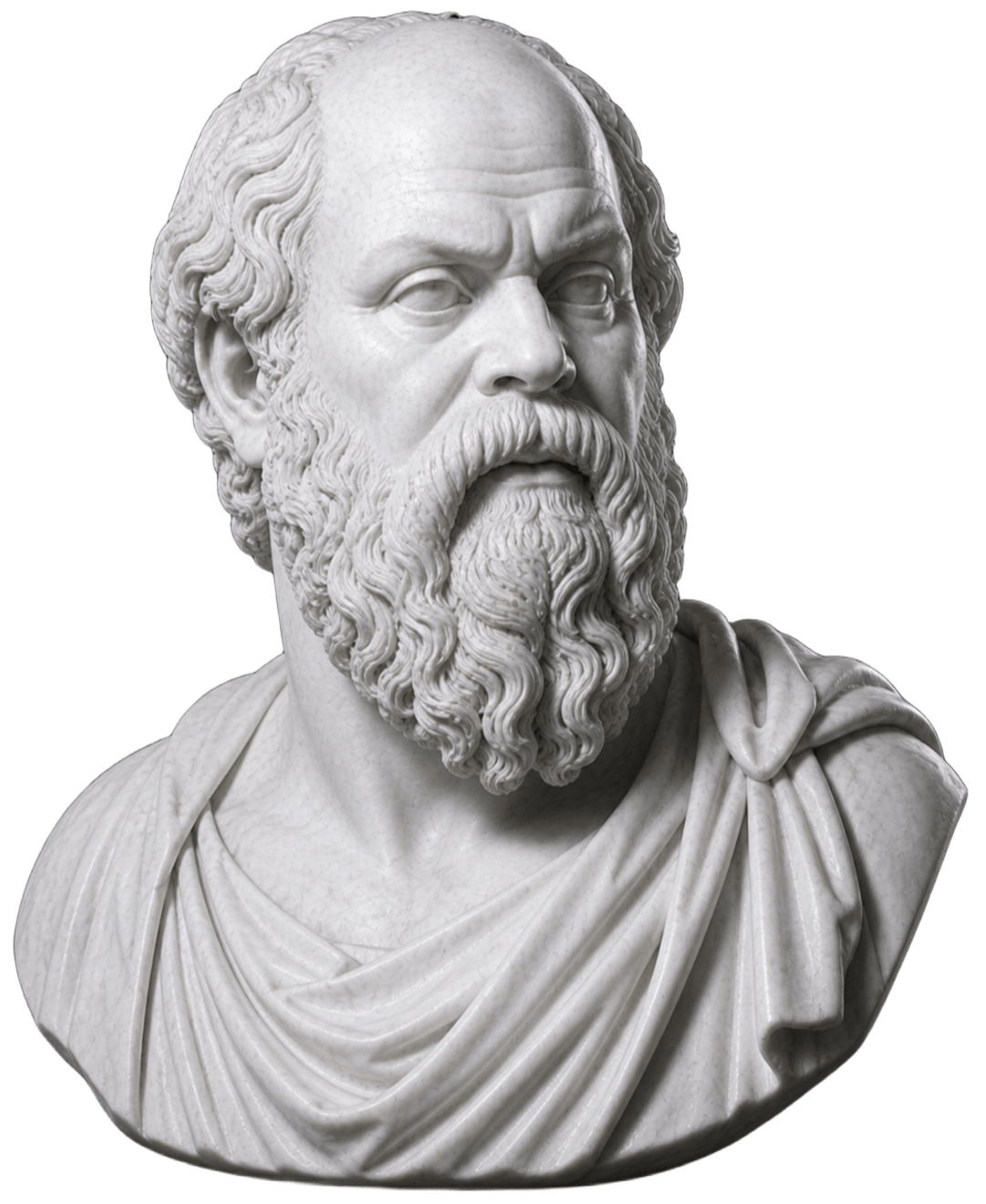 Classical Greek
c. 470 – 399 BC
Asked questions until belief came apart. The unexamined life is not worth living.
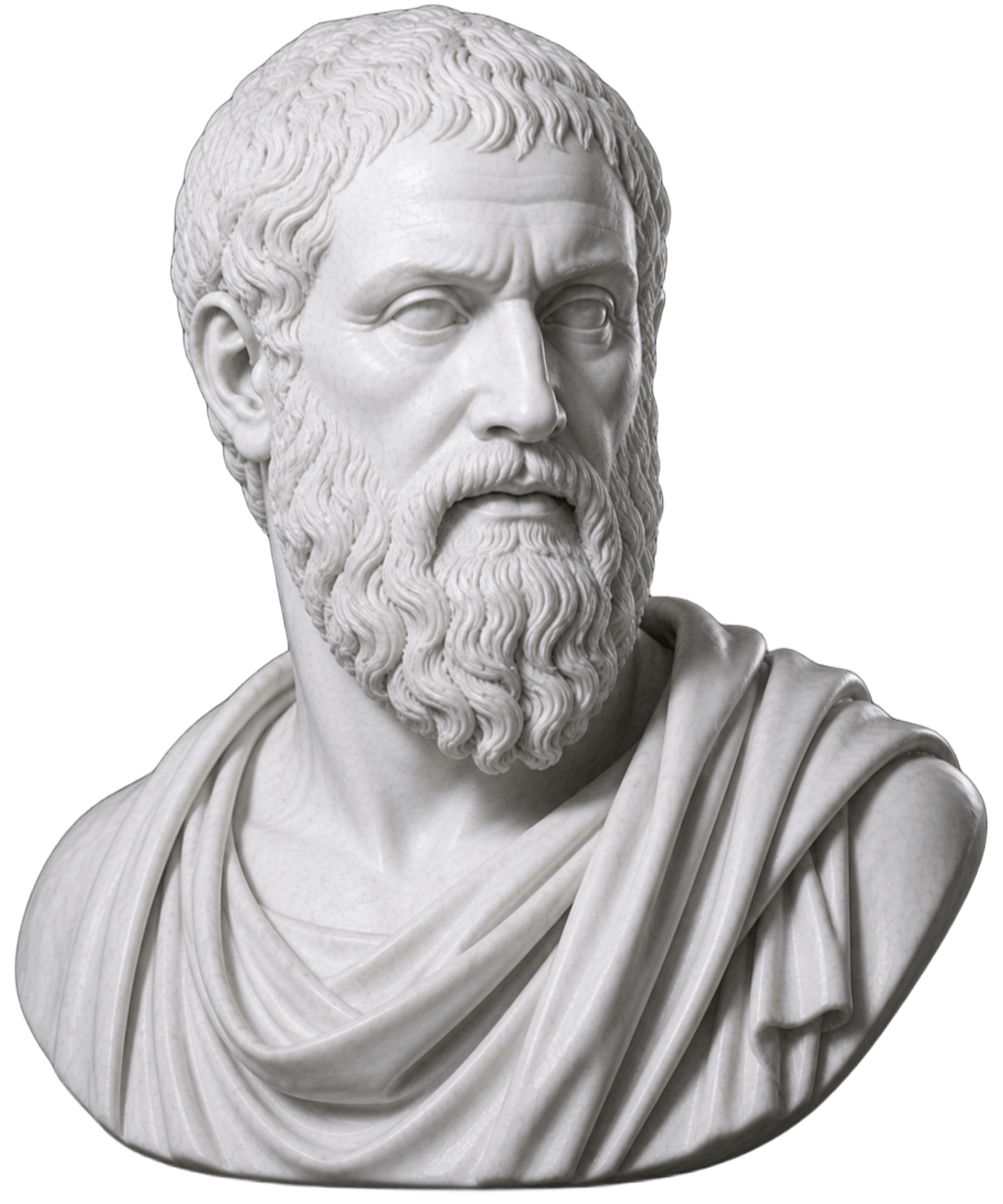 Platonism
c. 428 – 348 BC
The world we see is a shadow of an order we can only reason toward.
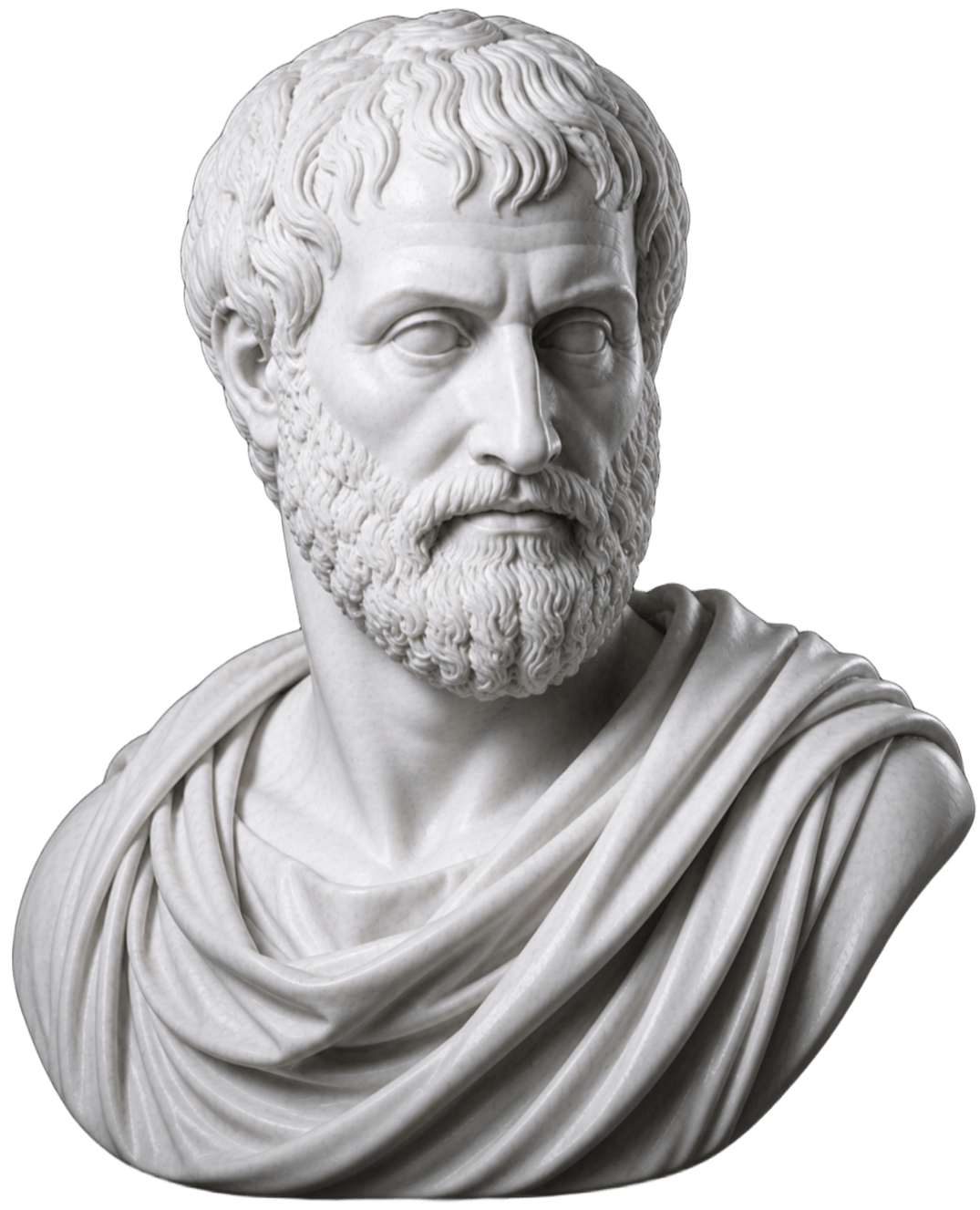 Peripatetic
384 – 322 BC
Systematised ethics, logic, politics, and the natural world.
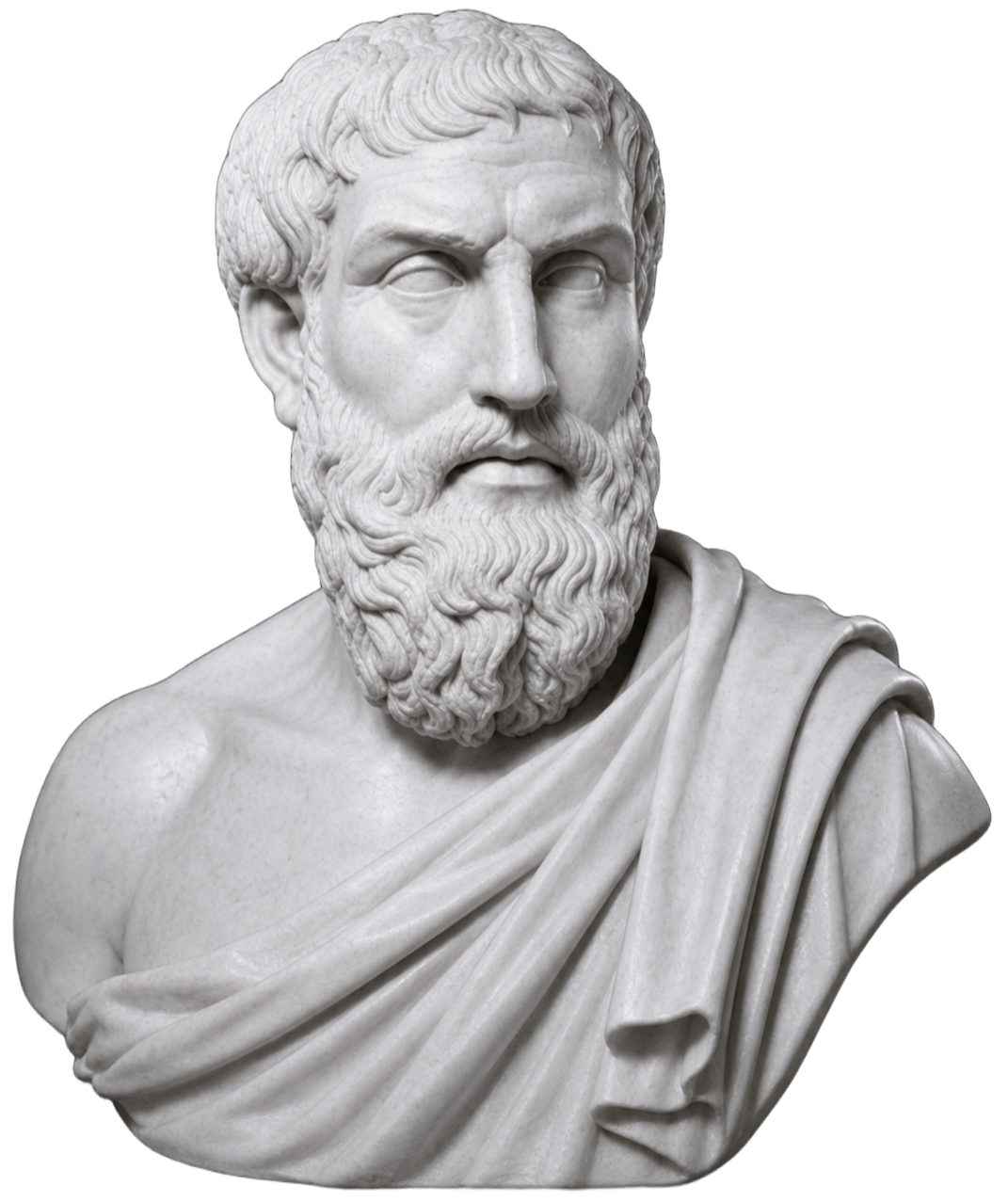 Epicureanism
341 – 270 BC
Founder of the Garden. The good life is freedom from pain and disturbance.
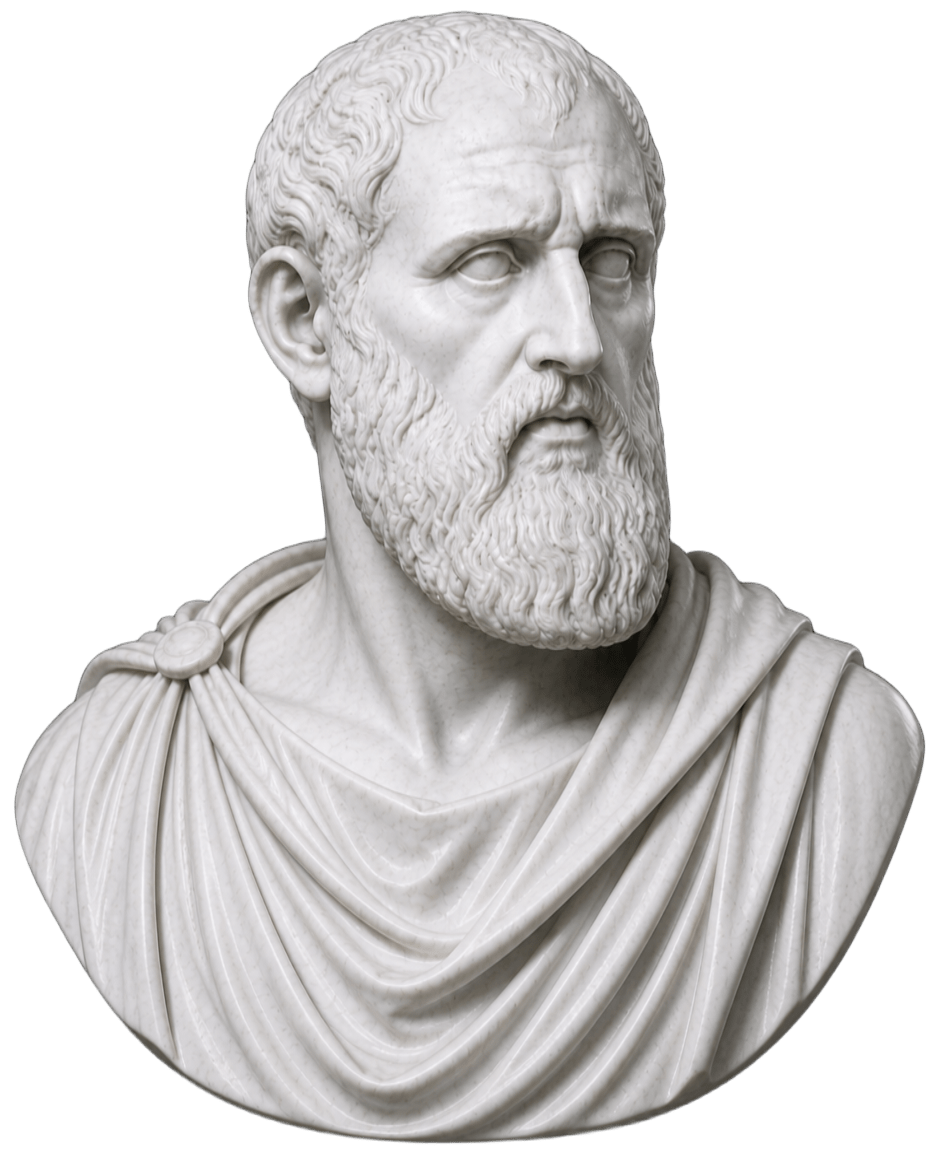 Stoicism
c. 334 – c. 262 BC
Founder of Stoicism. Taught that virtue is the only good and to live in agreement with nature.
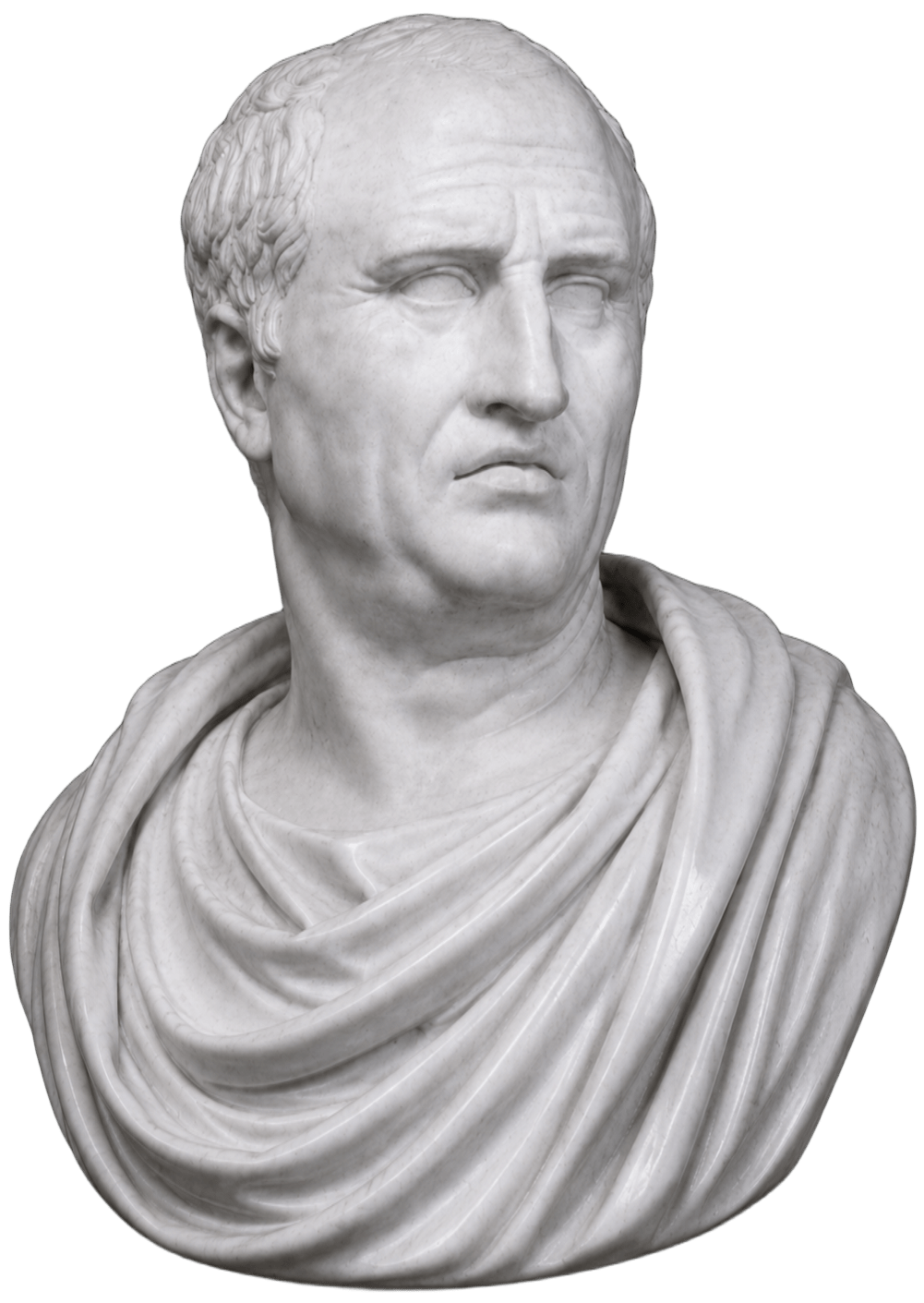 Academic Skepticism
106 – 43 BC
Roman statesman and orator whose dialogues carried Greek philosophy into Latin.
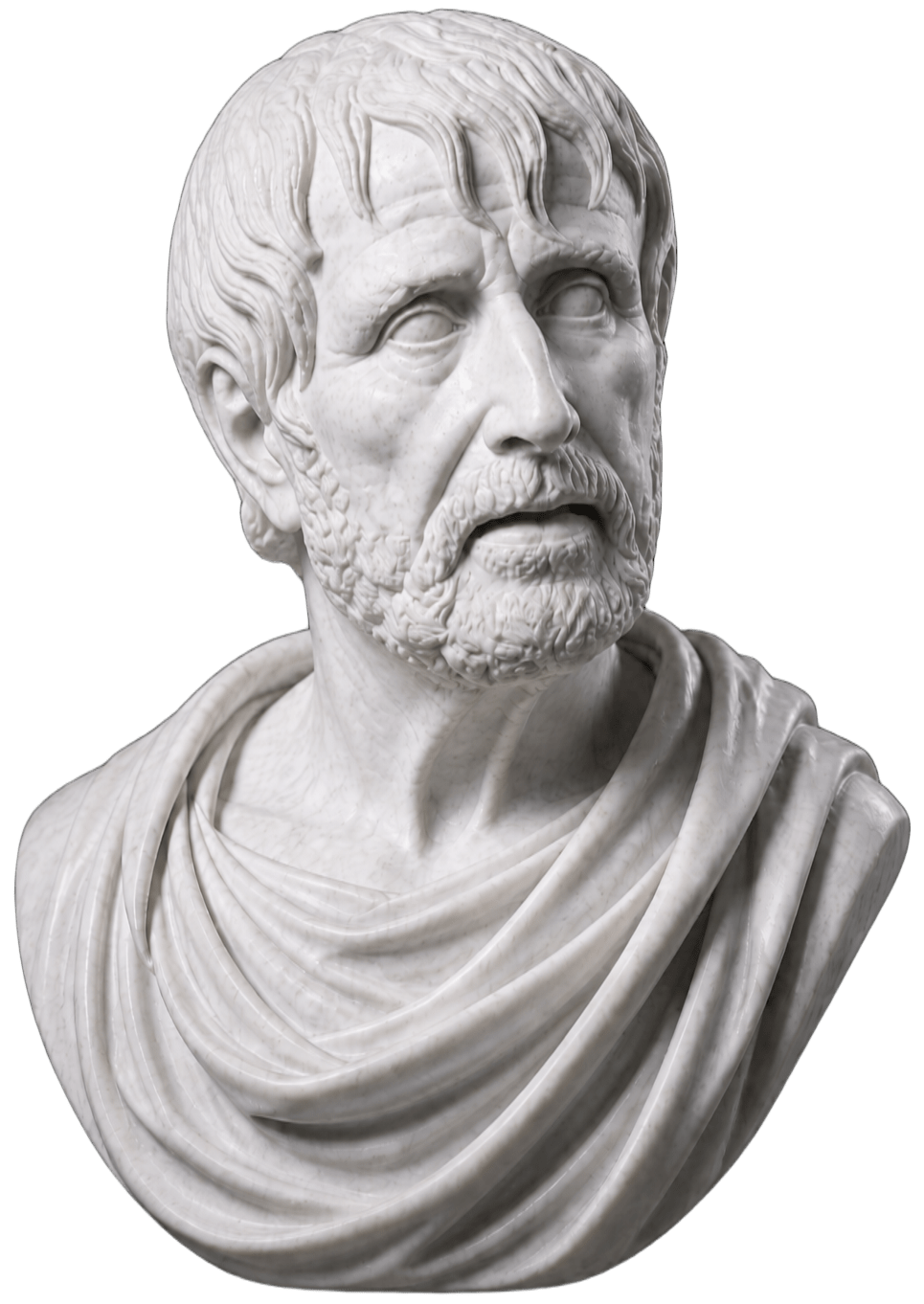 Stoicism
c. 4 BC – 65 AD
Roman statesman whose letters fuse moral philosophy with worldly experience.
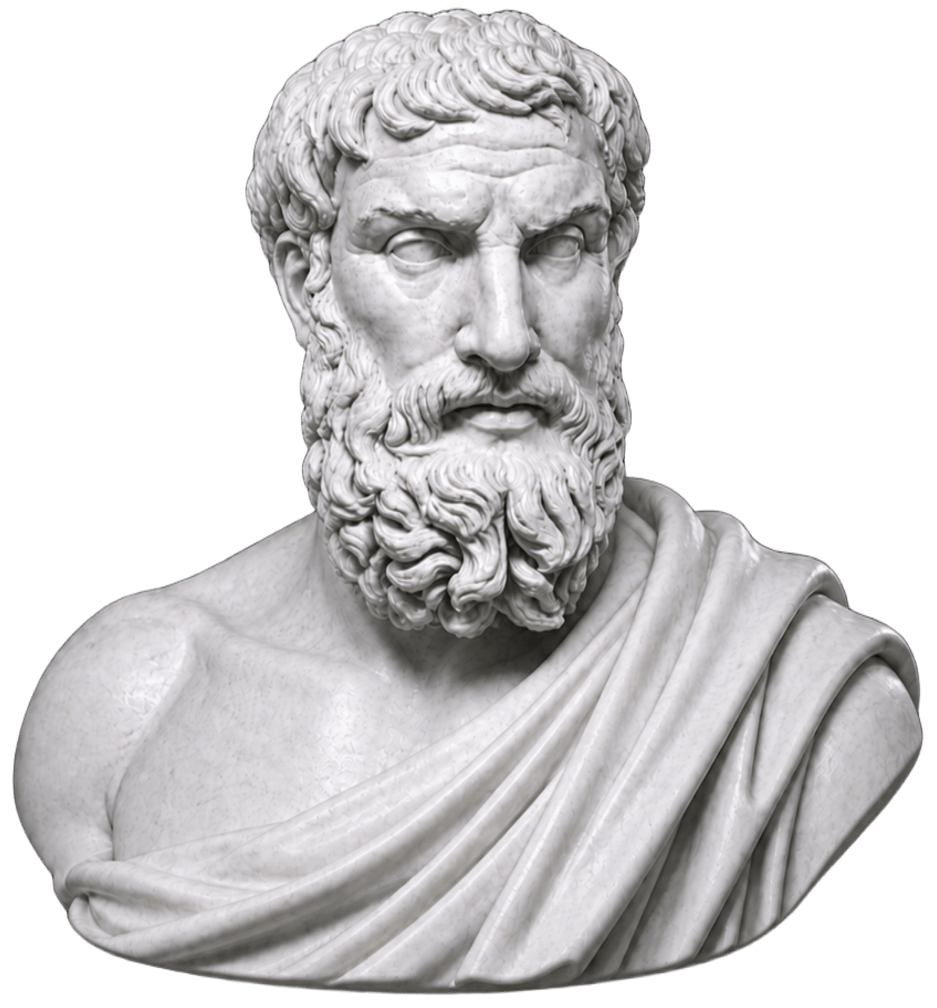 Stoicism
c. 50 – 135
Former slave whose Discourses turned Stoic ethics into practical instruction.
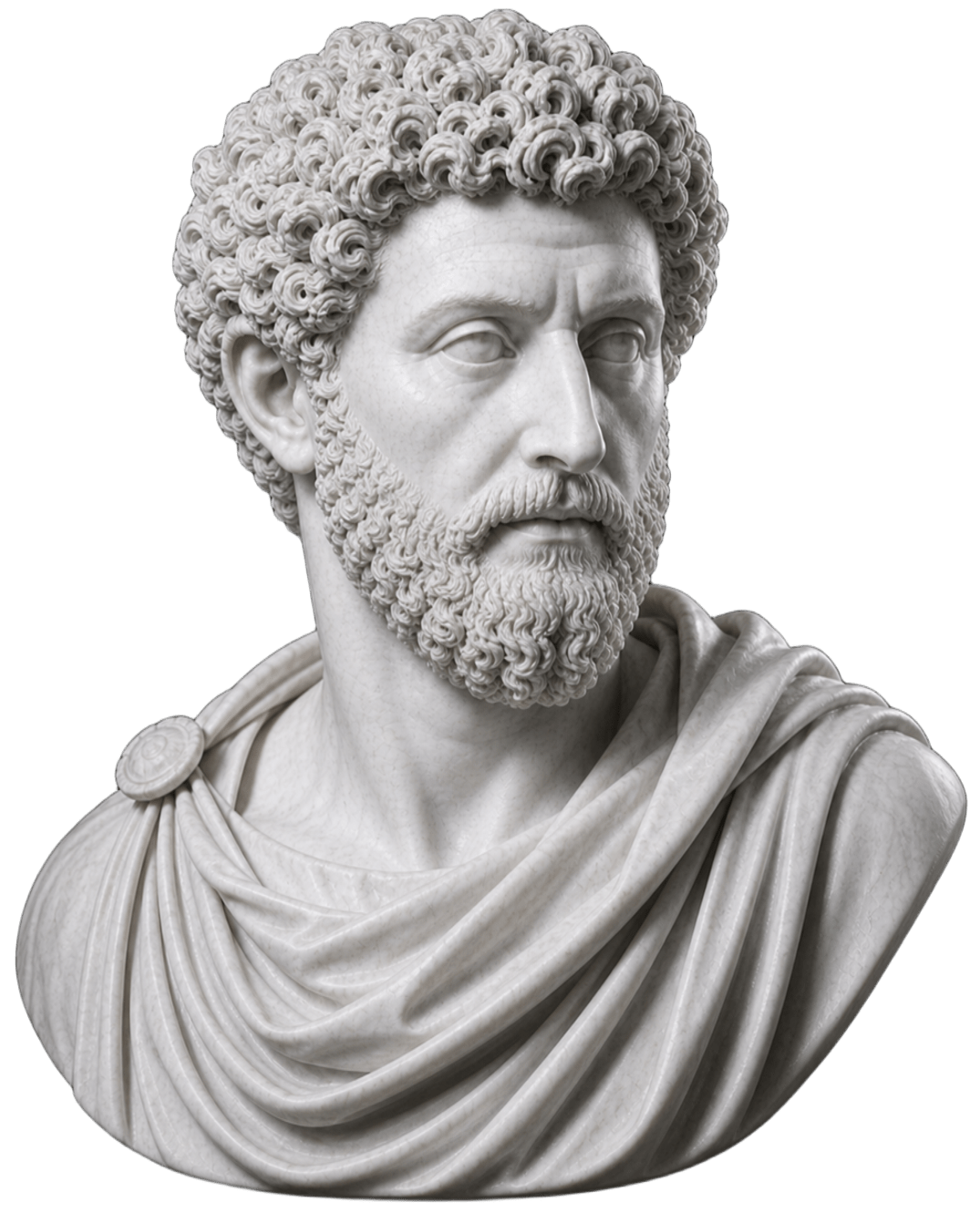 Stoicism
121 – 180
Philosopher-emperor of Rome. The Meditations is his private journal of self-discipline.
Traditions